 Lake Winnibigoshish—better known as Lake Winnie—is a legendary fishing lake in Northern Minnesota. With over 67,000 acres of water and a reputation for monster walleye and perch, it’s a top destination for anglers looking for action and adventure in the North Woods.
Lake Winnie Fishing Guide
Lake Winnibigoshish—affectionately known as Lake Winnie—is one of the largest and most productive fishing lakes in Minnesota. With over 67,000 acres of walleye-rich water surrounded by the natural beauty of the Chippewa National Forest, it has long earned its reputation as a must-visit destination for serious anglers and weekend adventurers alike. This page is your complete introduction to fishing Lake Winnie with help from a local pro who knows it better than anyone. Scott Zupfer, owner of Zup’s Guide Service, offers fully guided trips on Lake Winnie during every open water season and through the ice in winter—bringing decades of hands-on experience and proven success on these waters.
Lake Winnie is famous for its consistent walleye bite, jumbo perch action, and seasonal chances at trophy northern pike. From early spring jig-and-minnow patterns to mid-summer sandbar trolling and wintertime breakline setups, each season on Winnie offers something unique. But it’s also a lake where timing, weather, and subtle structure make a big difference. That’s where Scott steps in. When you book with Zup’s Guide Service, you’re getting personal, one-on-one guidance from someone who’s fished every corner of the lake—and knows how to adapt to keep rods bending.
Whether you’re planning a full fishing vacation or just looking to explore Lake Winnie with someone who knows how to find the bite, this page will give you the local insight you need. You bring the license and the excitement—Scott brings the gear, the boat, and the plan. And together, you fish one of Minnesota’s true greats the right way.
Welcome to Lake Winnibigoshish
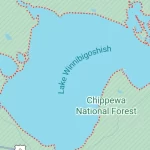
Set deep within the Chippewa National Forest of north-central Minnesota, Lake Winnibigoshish—commonly called “Lake Winnie”—is a legendary body of water that stretches over 67,000 acres with more than 140 miles of diverse shoreline. Located just northeast of Deer River, this vast lake offers anglers the rare combination of remote wilderness atmosphere and convenient access, with several well-established resorts, boat ramps, and public amenities lining its shores.
Lake Winnie is best known for its wide, shallow flats, expansive weed beds, and productive mid-lake humps that hold baitfish and gamefish year-round. These underwater structures provide textbook examples of walleye habitat, making it a dream location for both casual anglers and seasoned pros. In addition to abundant walleyes, the lake is home to jumbo perch, northern pike, and seasonal smallmouth bass, all thriving in a healthy ecosystem supported by natural forage and excellent water quality.
One of Lake Winnie’s most unique features is its role in the Mississippi River system. The river flows directly through the lake and exits via a dam on the western shore—contributing to strong water circulation and oxygenation that keeps fish populations thriving. This connection to flowing water also introduces a variety of current-driven patterns and creates ideal spawning conditions in the spring, particularly around river mouths and shallow inlets.
The lake’s sheer size can be intimidating at first glance, but it’s surprisingly manageable once you break it into zones. Popular fishing areas include the Bena Bar on the east end, the humps near High Banks, and the varied structure around Tamarack Point and Cut Foot Sioux Lake. Each zone has its seasonal highlights—from spring shoreline action to summer rigging over main-lake structure and productive ice fishing flats in the winter.
Whether you’re launching your boat for the first time or returning for your annual fishing trip, Lake Winnie delivers year after year. Its reputation as a consistent producer isn’t just hype—it’s built on decades of success, thoughtful conservation, and a community that welcomes anglers with open arms. With the right plan and a bit of local insight, every cast here could lead to your next personal best.
Fishing Lake Winnie: What to Expect
Lake Winnibigoshish—often simply called Lake Winnie—is known for some of the most consistent walleye action in the state. From the May opener through late fall, anglers can expect solid numbers and quality size. Early in the season, walleye concentrate near the river inlets and shoreline drop-offs, particularly around the west side near the dam and Tamarack Point. A 1/4 oz. jig tipped with a shiner fished along windblown sand breaks remains the spring staple. As June turns to July, the bite shifts to deeper mid-lake structures like Bena Bar, Sugar Bar, and Horseshoe Bar. Bottom bouncers paired with spinners and crawlers dominate here, especially when fish are cruising the 15- to 25-foot contours in search of forage.
By August, trolling crankbaits along expansive mud flats becomes the go-to, particularly during low wind or when covering large areas is key. Firetiger, gold, and perch patterns produce well, and fish often suspend higher in the column than expected, especially over deeper basins. In fall, walleye push shallower again, feeding aggressively before ice-up near the same shoreline breaks they favored in spring.
Winnie’s perch population is just as legendary. Jumbo perch exceeding 12 inches are common in the fall and through the ice. Look for them in 10–14 feet along the edges of cabbage beds or mixed gravel transitions, where a basic jig-and-fathead minnow setup can result in rapid-fire action. These aren’t just filler fish—many anglers come specifically to target them, and with good reason.
Northern pike are abundant throughout the system and are known for explosive strikes in both warm and cold seasons. In summer, weedlines on the east and south sides of the lake hold aggressive fish, especially early in the morning or during overcast stretches. Casting spoons, spinnerbaits, or large soft plastics along the weed edges produces solid results. Winter brings pike into shallow bays, where they can be taken using dead baits or tip-ups set along known travel routes.
Though muskies inhabit Lake Winnie, they’re less frequently targeted, largely due to the overwhelming popularity of its walleye and perch fishing. Still, anglers occasionally connect with large specimens while trolling for other species or while casting larger pike presentations in the right areas.
Whether you’re fishing early opener jig bites or hunting late-season jumbos through the ice, this Lake Winnie Fishing Guide taps into decades of seasonal knowledge and structure-based strategy—giving you the edge to fish smarter all year long.
Lake Winnie in Every Season
Lake Winnibigoshish, better known as Lake Winnie, is a true four-season fishery nestled in Northern Minnesota’s wilderness. With over 67,000 acres of fishable water and countless miles of shoreline, it consistently delivers memorable fishing experiences year-round. The Lake Winnie Fishing Guide approach—anchored by Zup’s Guide Service—adapts to the lake’s seasonal transitions to keep anglers on the bite regardless of temperature or weather. Here’s a closer look at what to expect throughout the fishing calendar.
Spring: Post-Ice Excitement and Shallow Water Bites
As the ice melts and the lake begins to warm, fish activity explodes across the shallows. Walleye and northern pike are the first to show up in force, with early-season action strongest near river mouths, rock transitions, and sandy flats. The Lake Winnie Fishing Guide recommends jig-and-minnow presentations or casting jerkbaits across warming shorelines. Crappie and perch also begin moving into protected bays, making spring a multi-species bonanza for anglers who time it right.
Summer: Deep Weedlines and Hump Fishing
By mid-June, the lake’s fish spread out into summer patterns. Walleye settle along deeper structure, such as mid-lake humps and the edges of submerged bars, where they respond well to bottom bouncers with spinners or leeches. Perch cluster near vegetation at moderate depths, and northern pike roam weedlines looking for an easy meal. For those chasing panfish or bass, shallower weeds and docks can provide steady action. Summer on Lake Winnie is about reading sonar, staying mobile, and dialing in the pattern of the day.
Fall: Trophy Time and Aggressive Strikes
Autumn brings cooler temperatures and hungry predators. As baitfish school up and move shallow, so do the gamefish. Walleye become highly active along windblown shorelines and rocky points, while jumbo perch school tightly over basin flats. The Lake Winnie Fishing Guide often shifts toward jigging and crankbait presentations during this season, focusing on short feeding windows that can produce some of the year’s biggest fish. Pike and crappie also feed aggressively, giving anglers multiple targets and a backdrop of vibrant fall foliage.
Winter: Legendary Ice Fishing Action
Once ice takes hold, Lake Winnie transforms into an expansive ice-fishing destination. Portable setups and sleeper houses dot the landscape, and anglers target perch and walleye with jigging spoons, deadsticks, and live bait rigs. The basin holds large schools of fish, and mobility is key—unless you’re with Zup’s Guide Service, which puts you right on the productive holes from the start. The Lake Winnie Fishing Guide experience during winter is about comfort, consistency, and catching fish without the guesswork. Whether you’re new to hardwater fishing or a seasoned ice veteran, winter on Lake Winnie is unforgettable.
Why Lake Winnie Is Worth the Trip
Lake Winnibigoshish—better known as Lake Winnie—is a name that echoes across generations of Minnesota anglers. Its reputation is built on consistency, size, and quality. Whether you’re after jumbo perch, trophy walleye, or simply a relaxing day on the water surrounded by northern pines, Lake Winnie delivers. It’s one of those rare lakes that offers both action and atmosphere, drawing serious anglers and first-time visitors alike.
The lake’s massive surface area is home to expansive flats, scattered rock piles, and cabbage-lined shorelines that serve as ideal habitat for a variety of species. Walleye fishing on Lake Winnie is productive throughout the open-water season and especially popular during the early summer bite. Crankbaits and leeches, bottom bouncers and jigs—it all works here when timed right. But knowing where to start on a lake this size is no small task, which is why a professional guide like Scott Zupfer is such a valuable asset.
Hiring Zup’s Guide Service means more than just riding in a boat—it means learning the lake from someone who’s fished it through every weather shift, bug hatch, and seasonal change. Scott doesn’t rely on yesterday’s hotspots—he reads the conditions, adapts in real time, and uses decades of pattern recognition to stay on fish even when others are left scratching their heads. His Lake Winnie Fishing Guide approach is built on knowledge, precision, and a calm, fun attitude that makes every trip memorable.
During spring, especially after the walleye opener, Scott focuses on shallow sandbars and emerging weedlines where fish stage in post-spawn recovery mode. These areas can produce limits in just a couple of hours when approached with the right tackle and technique. Come midsummer, he transitions to deeper flats and mid-lake humps, often running bottom bouncers with crawlers or pulling crankbaits at just the right speed to trigger neutral fish.
One of the highlights of Lake Winnie is its perch fishery. These are not your average panfish. Winnie perch run large—often over 11 inches—and travel in massive schools. Fall is when the bite gets hot, with fish pushing shallow once again and feeding heavily on minnows and insects. It’s a numbers game, and the right guide can put you in the middle of the action. Zup’s clients often leave with full buckets and tired arms.
Winter brings a completely different experience, and one that Lake Winnie excels at. With wide, open basins and a supportive network of resorts and access points, Winnie becomes a full-service ice fishing destination. Portable setups and mobility are key—especially when targeting jumbo perch and walleye roaming the mud basins. Zup’s Guide Service provides not only the transportation and gear, but also the know-how to drill smarter, move with purpose, and capitalize on short, aggressive feeding windows.
But it’s not just about the fishing. Lake Winnie offers an environment that feels both remote and welcoming. The pine-studded shorelines, the calm back bays, the early morning fog lifting over glass water—it’s the kind of place where you can breathe deeply and slow down. Add a guide who understands not just how to fish, but how to read people and tailor a trip to each client’s preferences, and you’ve got the makings of a trip you’ll want to repeat every year.
Whether you’re bringing kids for their first fishing trip, chasing a personal-best perch, or just hoping to enjoy a quiet morning with coffee and a jig rod, Lake Winnie has a way of delivering. And when you let Zup’s Guide Service handle the planning, you can focus entirely on the experience—the laughs, the catches, the scenery, and the memories.
With so many options in Northern Minnesota, what makes Lake Winnie stand out is how well it does everything. It’s big but not intimidating, productive but not crowded, scenic but not hard to access. It’s the total package, especially when guided by someone who knows it inside and out.
If you’re thinking about planning a Lake Winnie fishing trip, let Zup’s Guide Service make it easy. Just fill out the form below to get started. Whether you’re here for the perch, the walleyes, or just the peace and quiet, you’ll leave with more than just fish stories—you’ll leave with a true Minnesota experience.